
True to expectations, the 2026 legislative session was fast-moving, challenging, and often unpredictable. Against the backdrop of an ongoing state budget deficit and the difficulties presented by a short session, lawmakers were forced to make hard decisions. We saw those tough choices reflected in our support agenda – unfortunately, a number of the items we endorsed weren’t funded or passed.
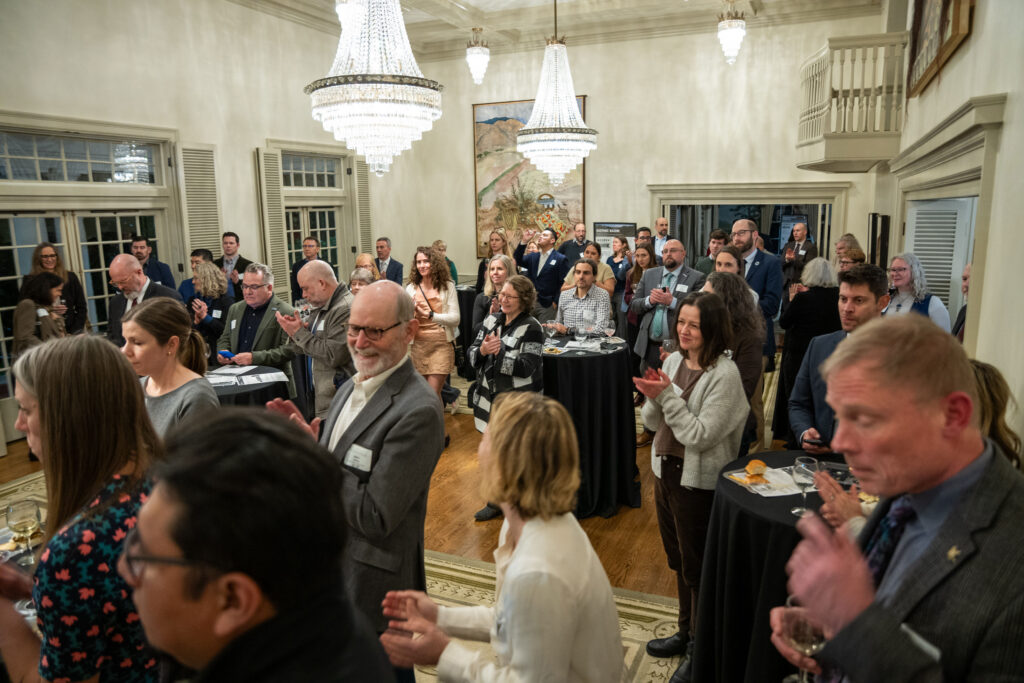
That said, we entered 2026 with a clear vision: this is a strategic, foundation-building year for the Coalition. With one eye on 2027’s budget and our major WWRP funding push, our advocacy this session was intentionally focused and targeted. Through direct engagement with budget writers and a powerful Legislative Reception, we worked to strengthen relationships, reinforce the value of the WWRP, and lay the groundwork for the work ahead.
Our 2026 Support Agenda: Status Update
During short sessions, the Coalition typically supports partner and agency-led initiatives, as WWRP funding is generally in play only during biennial budget years. Still, as always, our top priority is securing robust and reliable funding for the WWRP – and the work to achieve that goal never stops.
This session, we made meaningful progress toward that objective, including meeting with 15 budget writers and newly elected legislators. Thank you to the 42 partners and Coalition board members who joined us in those meetings!
We also advanced our 2026 support agenda, developed through our State Policy Committee and approved by our Board. While our agendas are typically somewhat dynamic, the pace and unpredictability of this session led us to add four items mid-session.
Despite a challenging budget environment, we saw several important wins:
Funded
- Community Forest Program: $3.124 million included in the Capital Budget, advancing the Nisqually Community Forest Phase 4 project.
- Trust Land Transfer (DNR): $4 million included in the Capital Budget, supporting the Cape George transfer to Jefferson County and Tract C North to the Yakama Nation.
- Forest Health & Community Wildfire Resiliency (WSCC): $1.25 million restored for FY27 in the Operating budget, with $5 million planned in the next biennium—bringing this program back to ongoing funding levels.
Not Funded
- DFW Forest Health and Fuel Reduction Program
- DNR Natural Areas Program funding
- State-Tribal Recreation Impacts Initiative (STRII) funding for DFW and Parks: Despite inclusion in the Governor’s and Senate’s proposed budgets, final funding was not adopted – potentially slowing momentum on this important work.
Bills
- HB 2624 (exempting public entities, Tribes, and nonprofits from the We Buy Ugly Homes bill) passed and signed by the Governor!
- SB 5234 / HB 2139 (snowmobile registration fees) did not pass.
- SB 6097 (Tribal participation in the Conservation Futures program) did not pass.
Ongoing Challenge: Recreation Lands Maintenance Cuts
One of the most concerning outcomes of this session was continued reductions to recreation lands maintenance funding for State Parks, DNR, and DFW. We advocated against these reductions by signing onto letters led by our partners at WTA.
Over the past two years, this funding has been significantly reduced:
- State lands maintenance funding was cut by 25% in last year’s legislative session
- Funding was cut again this year
- Funding is now about $9.5 million for DFW, DNR, and Parks combined, less than two-thirds of the original $15 million available for these 3 agencies for recreation lands maintenance
These dollars support essential work: repairing trails and parking lots, maintaining campgrounds and facilities, and ensuring safe, accessible public lands.With these cuts now ongoing, we expect to see staffing reductions and potential recreation site closures in the months ahead. While the full impacts are not yet clear, it’s likely that visitors to state lands will begin to notice changes.
Looking Ahead: Building Toward 2027
The 2026 session may be over, but our Coalition already has its head down – preparing a strong, unified WWRP funding request for 2027 and building the support to deliver it. That means deepening partnerships, expanding our coalition, and continuing to educate policymakers on the value of this program.
We’ve laid the groundwork: now we build the momentum. When the WWRP comes up for funding again, we’ll be ready to go big.
Thank you for being part of this work. Your voice, partnership, and commitment make it possible to protect and enhance the places that make Washington special.