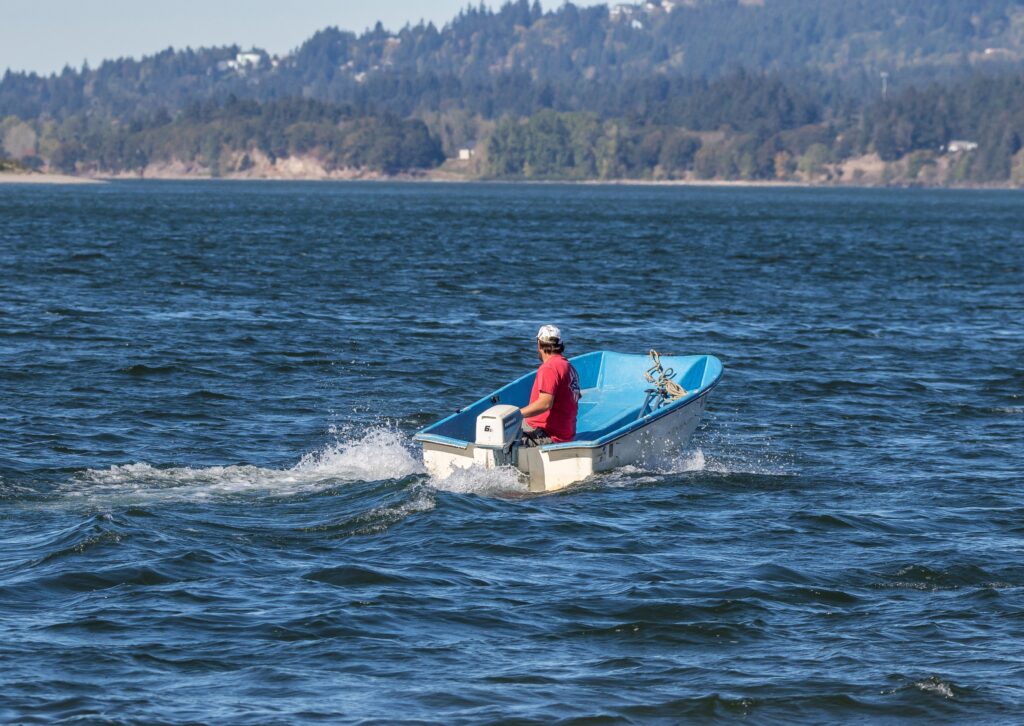
Few things capture the spirit of Washington quite like a day on the water. Whether it’s casting a line, launching a kayak, or simply enjoying a riverside picnic, access to our waterways connects people to the outdoors and to one another. Through Water Access grants, the Washington Wildlife and Recreation Program (WWRP) helps communities create and improve public shoreline access, boat launches, fishing facilities, and other amenities that make these experiences possible.
Austin Point Water Recreation Park
This month’s featured project showcases how WWRP is opening the door to new recreation opportunities along the Columbia and Lewis Rivers.
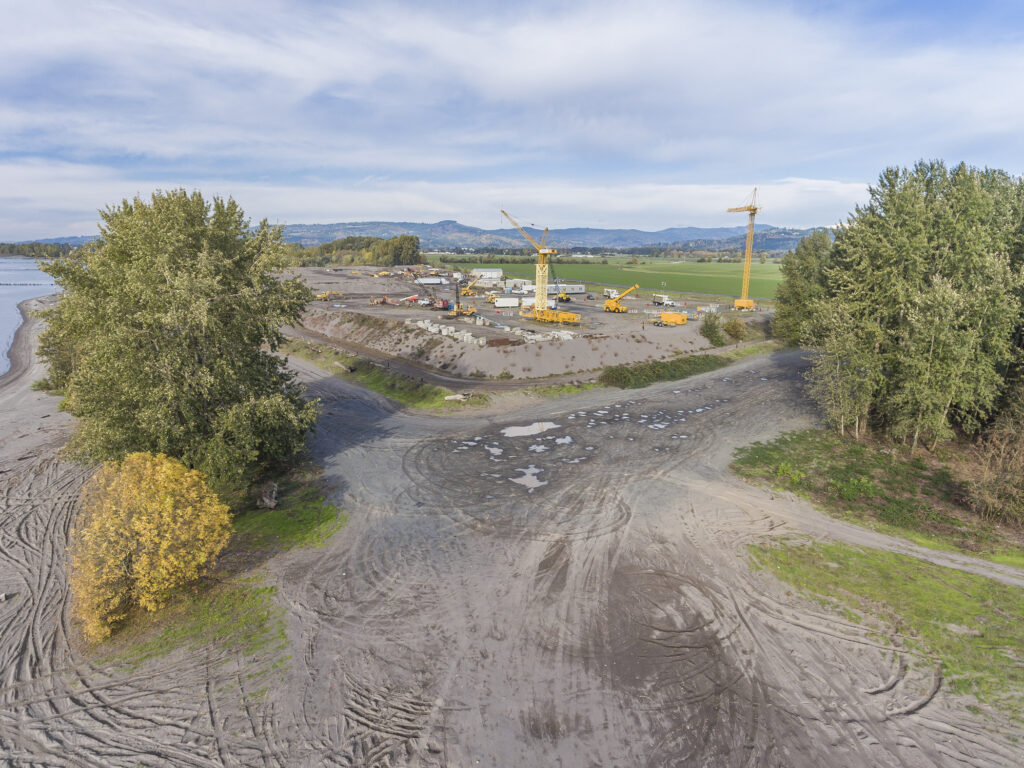
The Port of Woodland received a $1,257,418 WWRP Water Access grant to develop the Austin Point Water Recreation Park, transforming an underutilized stretch of waterfront into a vibrant destination for outdoor recreation. Once complete, the site will feature parking, restrooms, a fish cleaning station, lighting, shaded viewpoints overlooking the river, pathways providing water access, and a trail system winding around the existing wetland area.
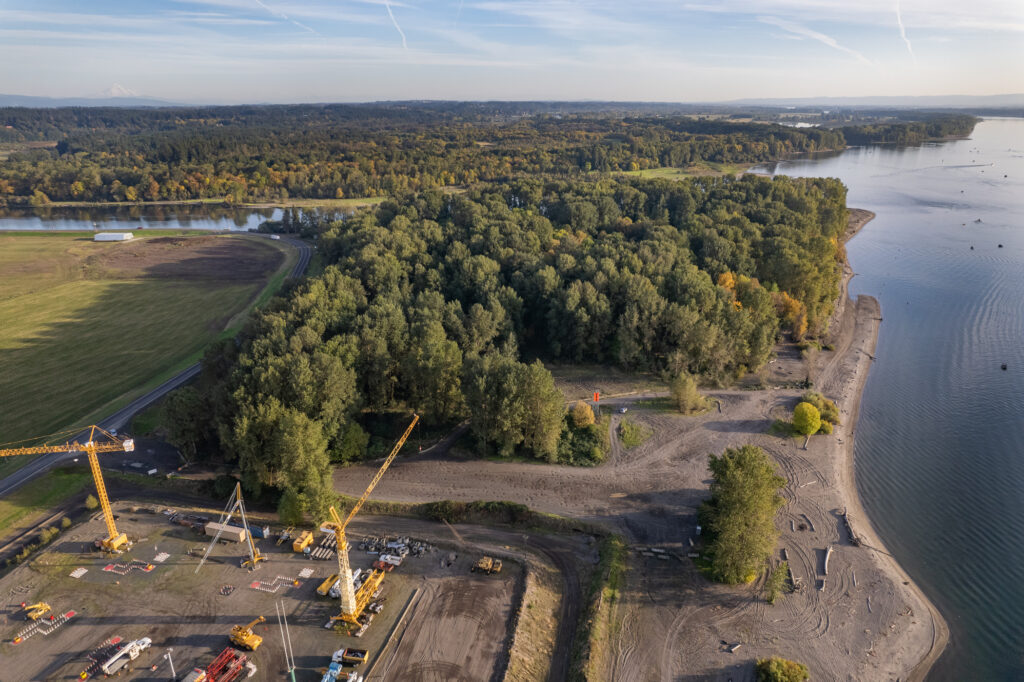
Designed with water recreation at its core, Austin Point will provide new opportunities for boating, fishing, paddling, wildlife viewing, and simply enjoying one of Washington’s most iconic waterways. The project will make it easier for residents and visitors alike to experience the Columbia River while creating a welcoming public space that encourages people to get outside and explore.
Projects like Austin Point demonstrate the impact of WWRP Water Access grants. While Washington is home to thousands of miles of shoreline, many communities still lack convenient public access to the water. These investments help close that gap, ensuring more people can enjoy the recreational, economic, and quality-of-life benefits that come with access to our state’s rivers, lakes, and marine waters.
Funded as part of the $120 million appropriated to the WWRP in the 2025–27 Capital Budget, the Austin Point Water Recreation Park project became active in September 2025 and is expected to be completed in 2028. When finished, it will create a new gateway to the Columbia River and expand outdoor recreation opportunities for generations to come. We’ll see you on the water!